Optimizing my online stationery shop
By observing how real customers interacted with my store, I redesigned the experience to make it more inclusive and transparent.
- Increase in visitors
- +35%
- Average order value
- +12%
- Gross sales
- +31%
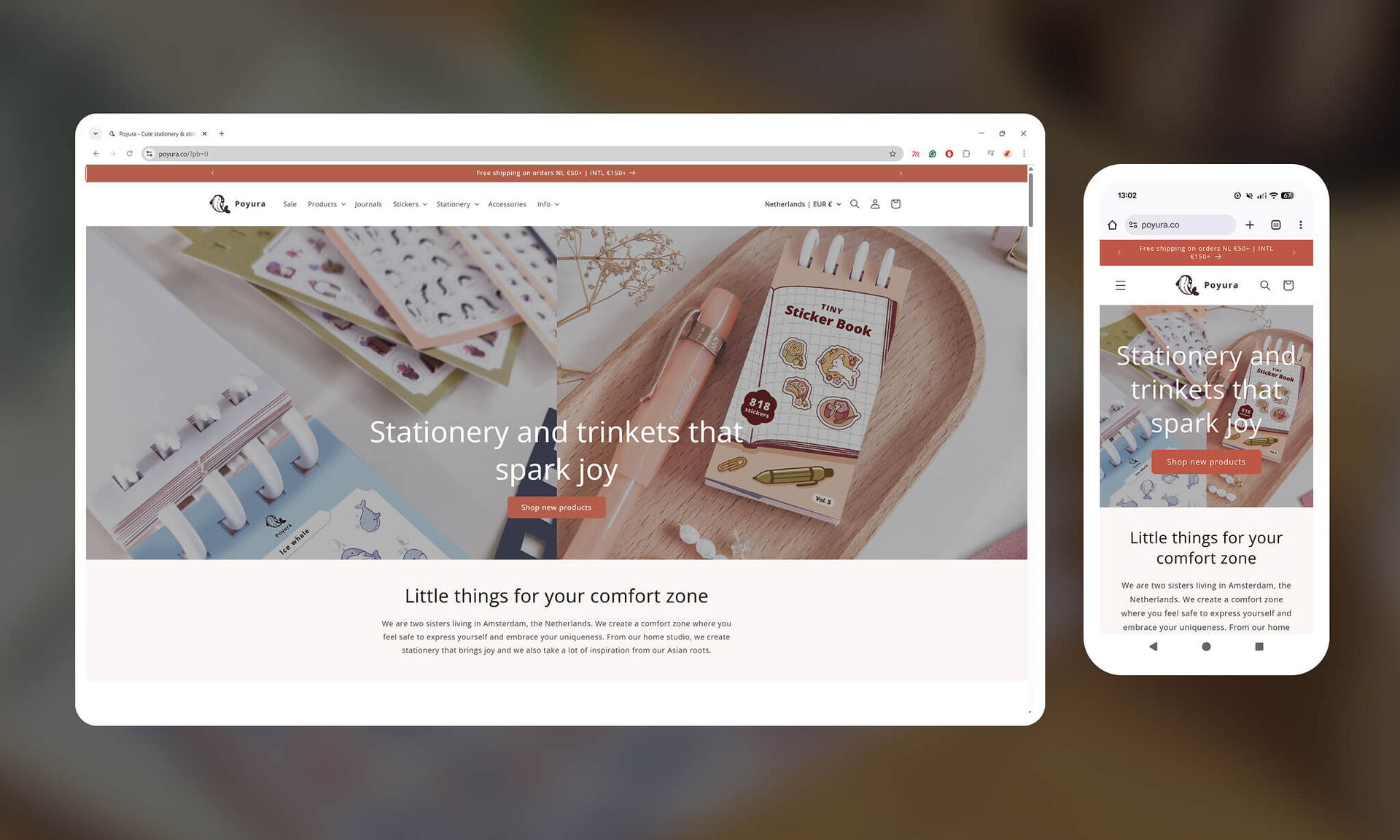
Role UX designer Time 12 months Prototype Poyura.co
1.0 Discover
1.1 Research methods
To gain a clear understanding of customer needs, bottlenecks, and business objectives, I combined multiple research methods. This allowed me to gather both qualitative and quantitative insights from different perspectives.
- Online analysis (OA): I analyzed data from the online store and Google Analytics for quantitative insights.
- Desk research (DR): I researched the best practices, general customer behavior, and user experiences.
- Competitive analysis (CA): I analyzed the strengths and weaknesses of three comparable online stores to identify the best practices.
- Email (E): I analyzed emails to gain insight into user issues and areas for improvement.
- Survey (S): From 19 complete questionnaires, I gathered information about customer frustrations, goals, and needs.
2.0 Define
2.1 Persona
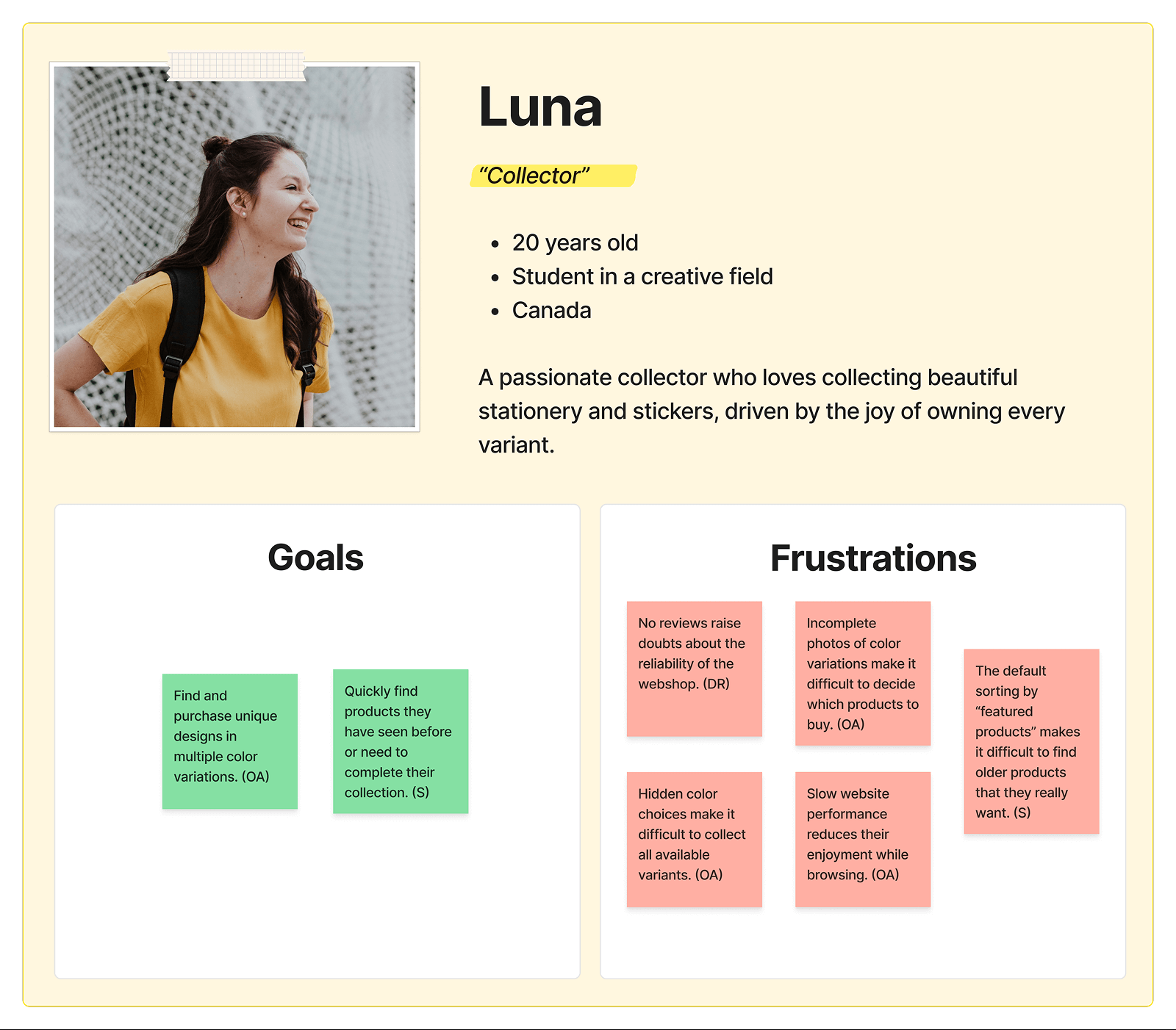
While most users are interested in individual stickers or full bundles, students may be more conscious of their budget, influencing which products they purchase.
2.2 Customer journey map
This customer journey focuses on the buying process on Poyura, from discovering products to completing a purchase. Since the journey is similar for all personas, a single version has been created.
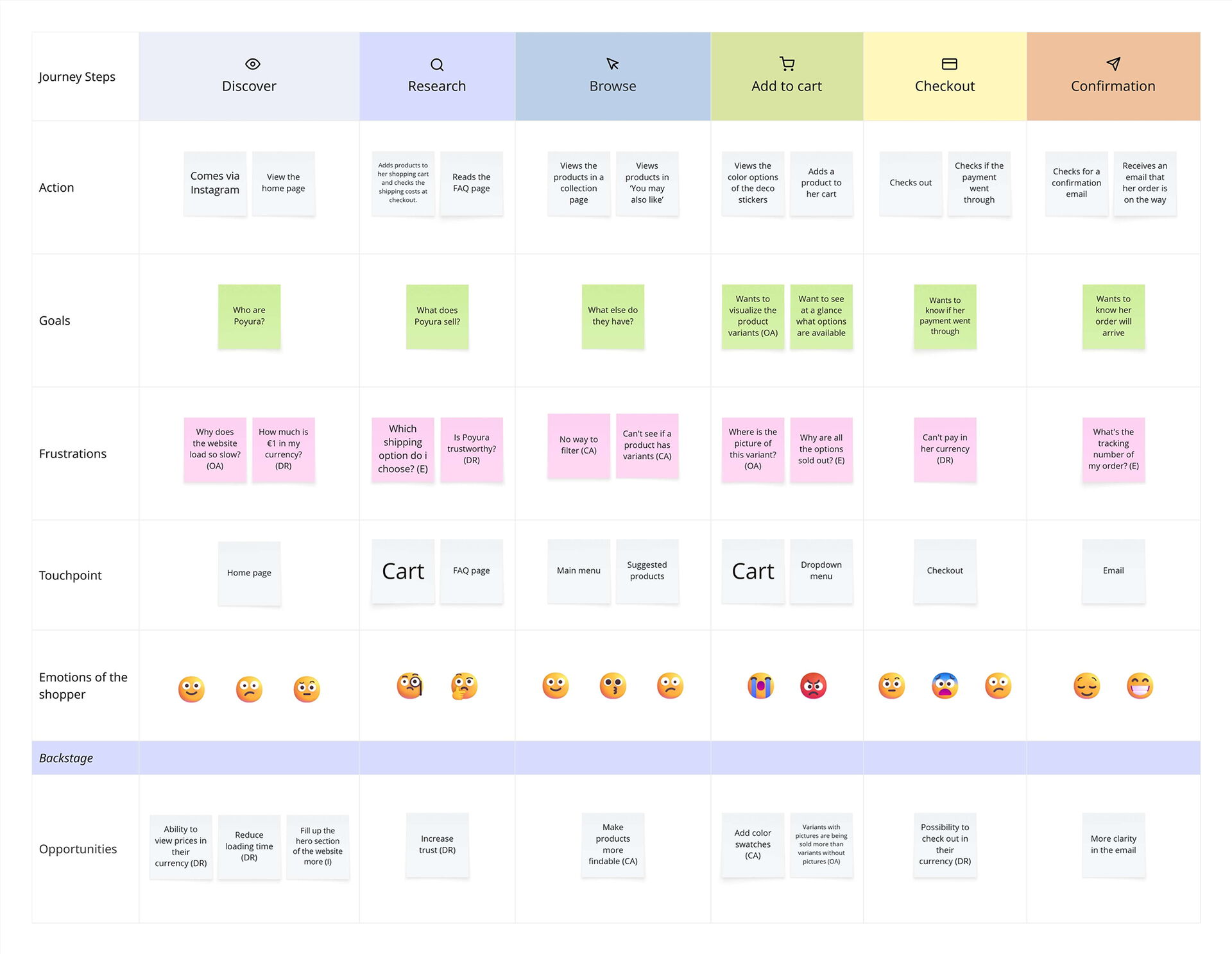
I identified key pain points that hinder customers from browsing, selecting, or purchasing products. The most important problems are described below, along with their impact on the user experience.
2.2.1 Not accessible
Phase: Discover
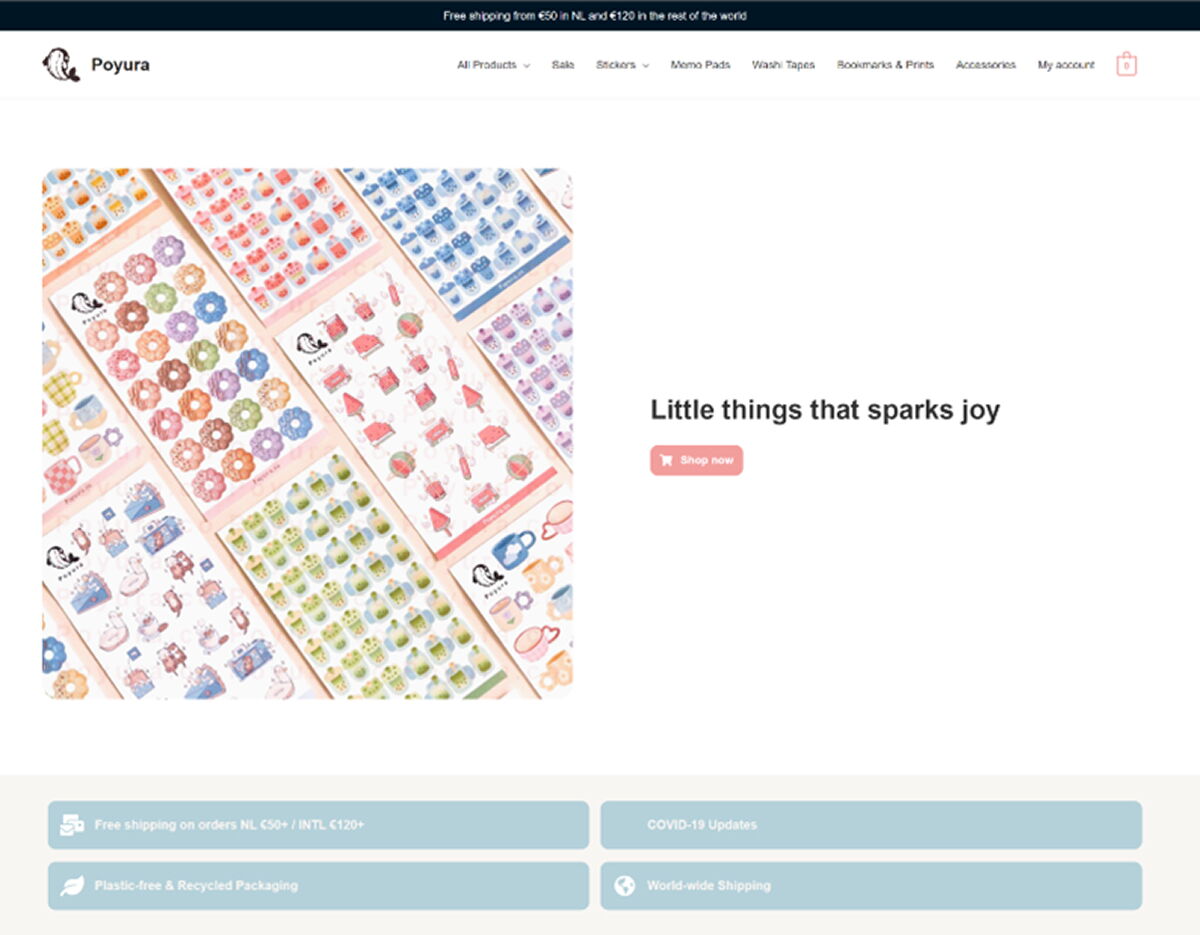
Problem: The online store lacked basic accessibility features such as alt text for images and sufficient color contrast. This makes it difficult or impossible to use for people with visual impairments or those relying on screen readers.
Impact: Around 16% of the world’s population lives with a disability (World Health Organization: WHO, 2023). Excluding them not only reduces usability and user satisfaction but also significantly narrows the store’s potential customer base and may violate accessibility standards.
2.2.2 No social proof
Phase: Research
Problem: The online store lacked reviews, making it difficult for new customers to assess whether the site is reliable. 91% of shoppers consider reviews essential (Gotter, 2022).
Impact: Lower trust and fewer purchases.
2.2.3 No localized pricing
Phase: Explore
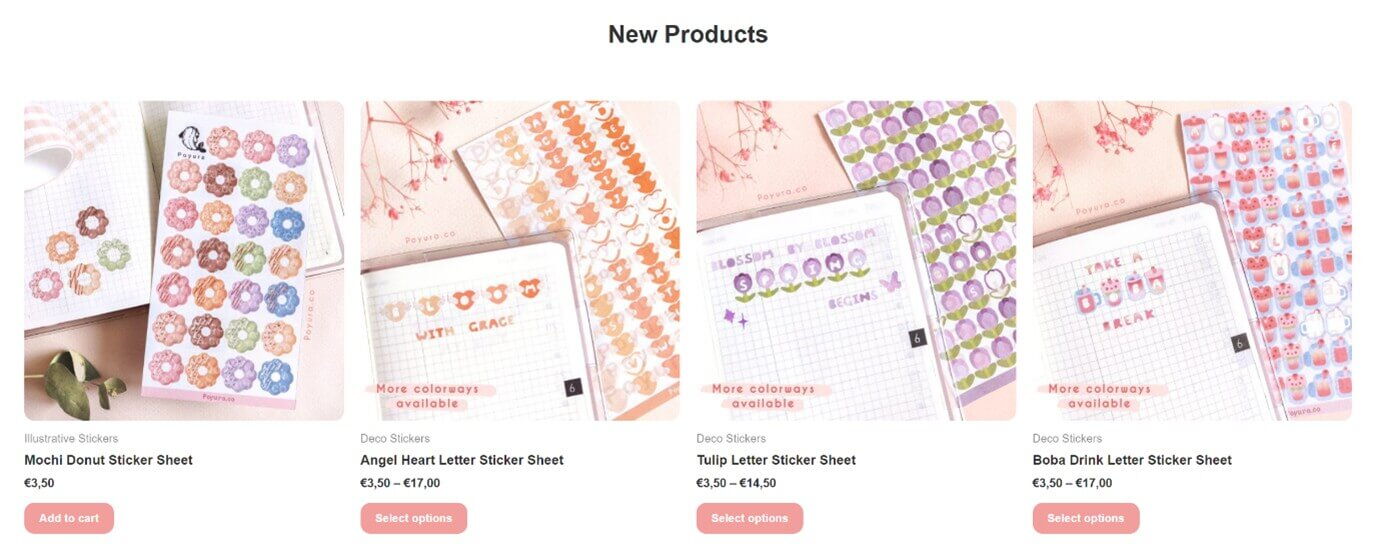
Problem: Prices are only shown in euros, while many international shoppers cannot estimate the value in their own currency.
Impact: 49% of shoppers drop out if they must manually convert currencies (Lord, 2024), leading to frustration and fewer purchases.
2.2.4 Visual ambiguity
Phase: Add to shopping cart
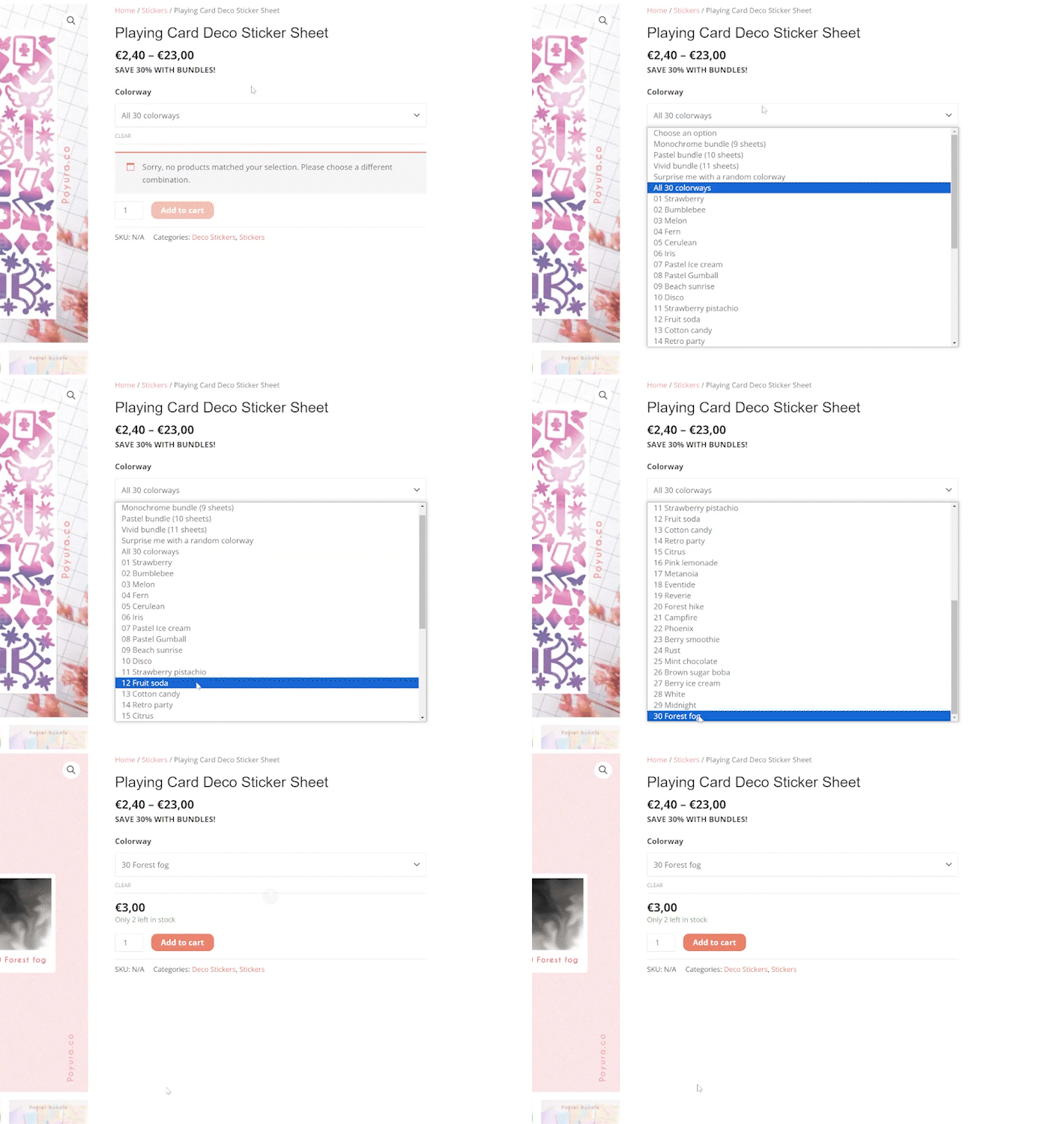
Problem: Product variants, such as color choices, are hidden in a dropdown menu and often lack images (E).
Impact: Customers cannot quickly review options, which reduces trust and decreases sales opportunities.
3.0 Develop
3.1 Harris profile

Based on this comparison, Shopify was selected as the CMS. Its e-commerce focus provides more features suited to an online store, including transaction management, currency options, and product presentation tools.
3.2 Impact effort matrix
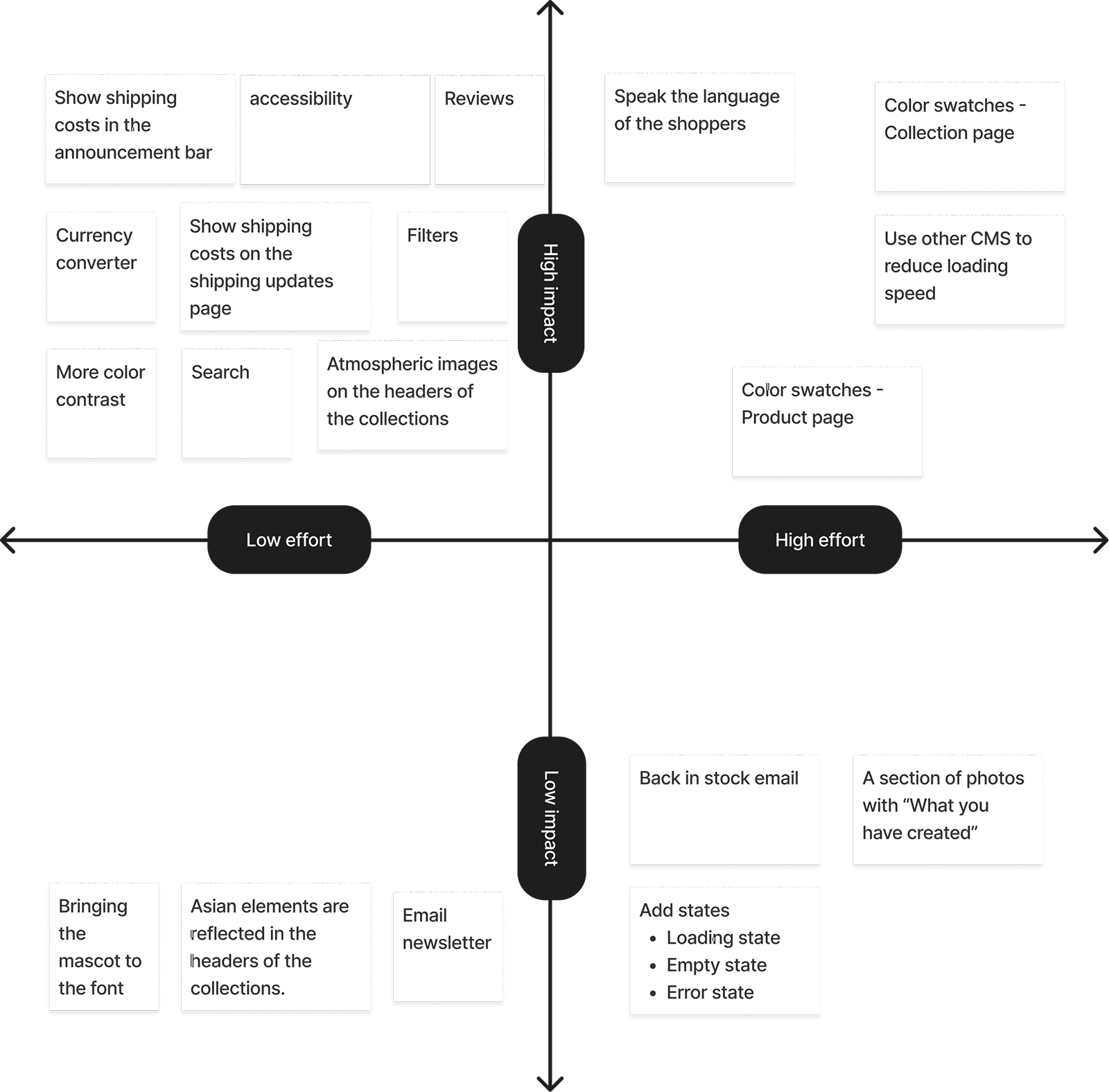
A range of ideas was brainstormed and evaluated using an impact/effort matrix to prioritize which solutions to implement. Solutions with the highest impact were selected, focusing on both high-impact/low-effort and high-impact/high-effort options (top side).
3.3 Usability testing
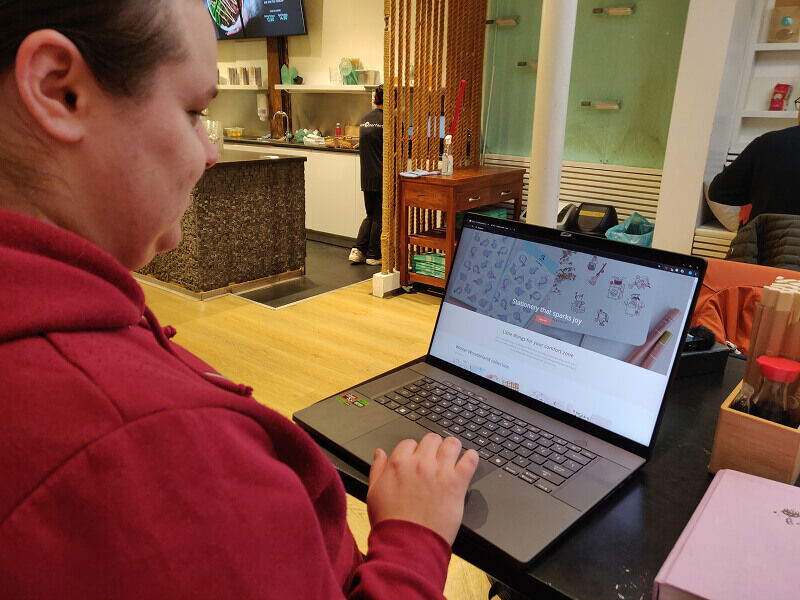
I conducted six usability tests with friends and family to investigate its functionalities and purchasing behavior.
4.0 Deliver
4.1 Final design
Based on user research and usability testing, several challenges emerged that I addressed with targeted design decisions.
4.1.1 Accessibility & inclusivity
Problem: The online store lacked basic accessibility features, such as alt text for images and sufficient color contrast, making it difficult for people with visual impairments or those relying on screen readers. Prices were only shown in euros, which created a barrier for international shoppers who couldn’t easily estimate value in their own currency.
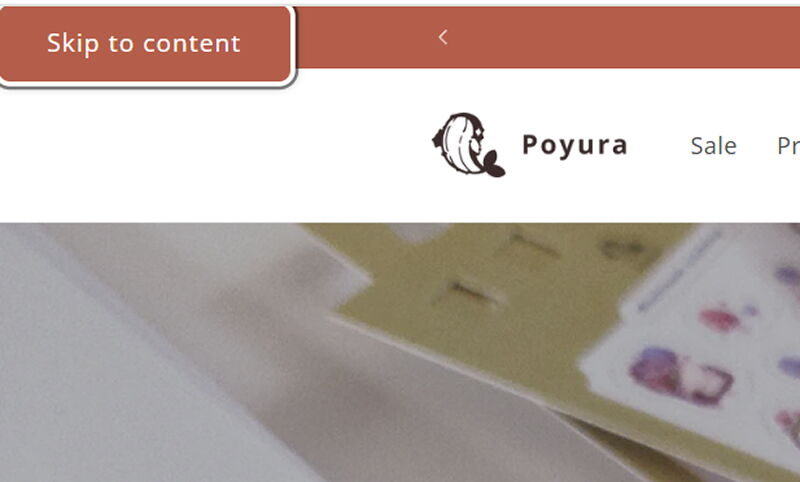
Solution: Switching to Shopify introduced built-in keyboard navigation support. All images were given descriptive alt text, and button contrasts were adjusted to meet accessibility standards. A currency converter was also added to allow international shoppers to view prices in their local currency. Together, these improvements make the store more inclusive, easier to navigate, and usable for a wider audience.
4.1.2 Reviews boost trust
Problem: International customers often buy without any previous experience with the brand. My desk research showed that users want more certainty when making a purchase.
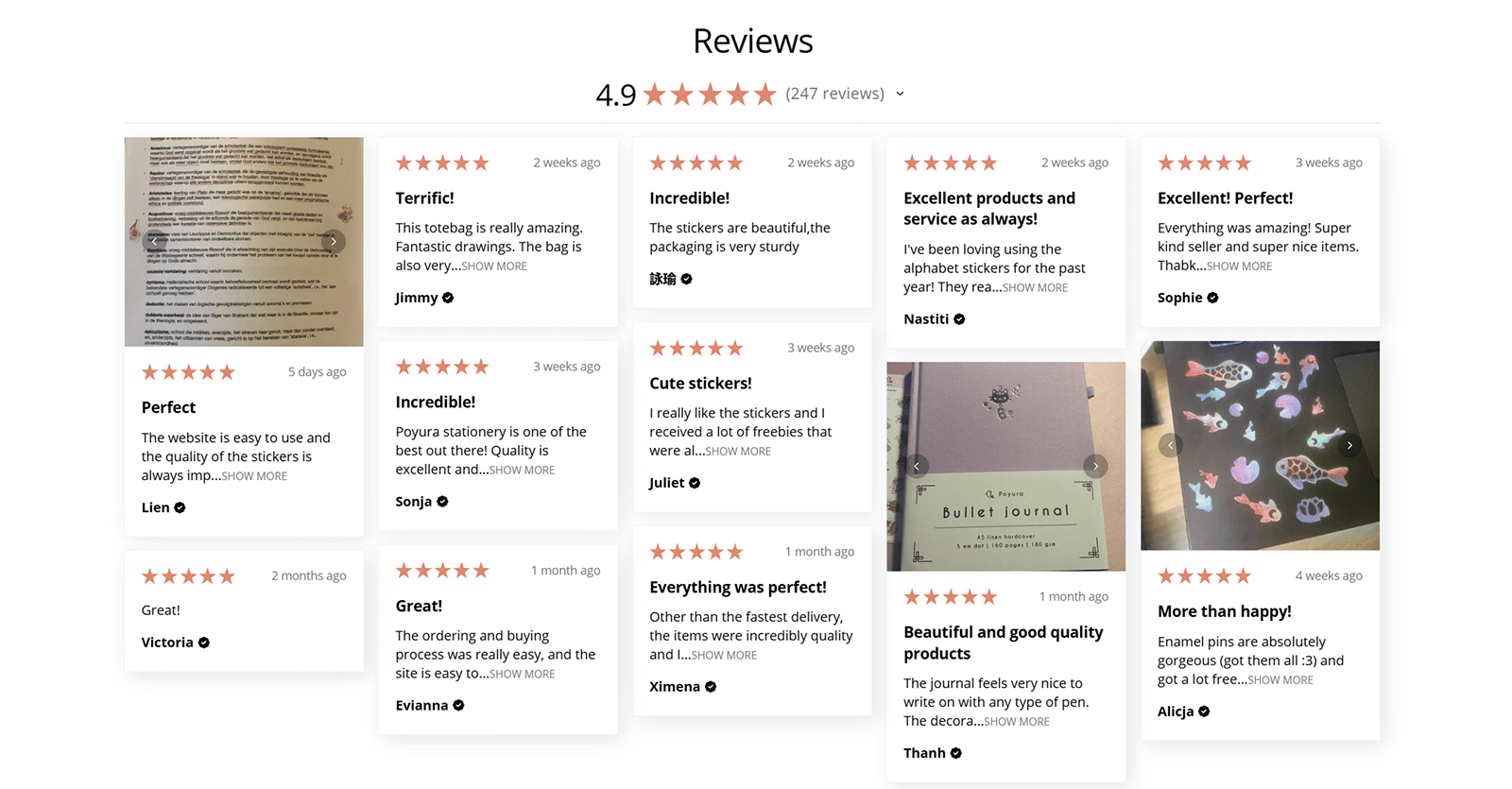
Solution: I added customer reviews to the product pages. These are strategically placed at the bottom so that they are accessible without overshadowing the product information.
4.1.3 Reducing visual ambiguity and shipping confusion
Problem: Product variants and shipping information were unclear. The dropdown menu for stickers made it difficult to see available colors, and shipping details were scattered, creating uncertainty for customers.
Solutions:
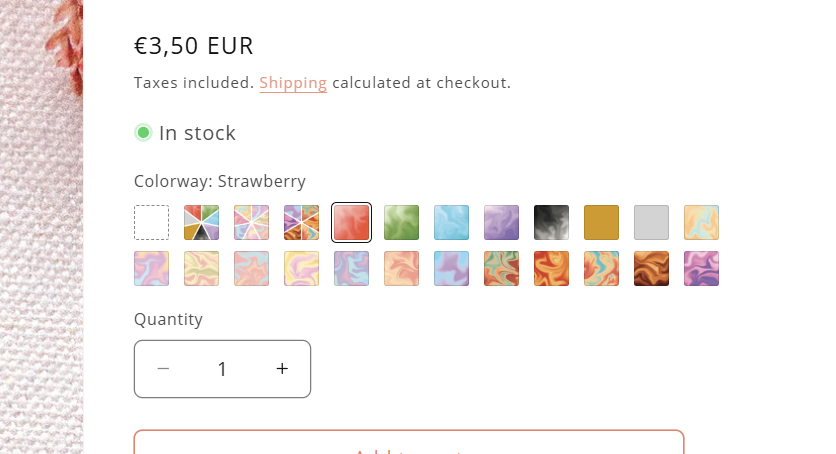
- Color swatches: Visual swatches were added so customers can quickly see and select product variants (Fig. 10).
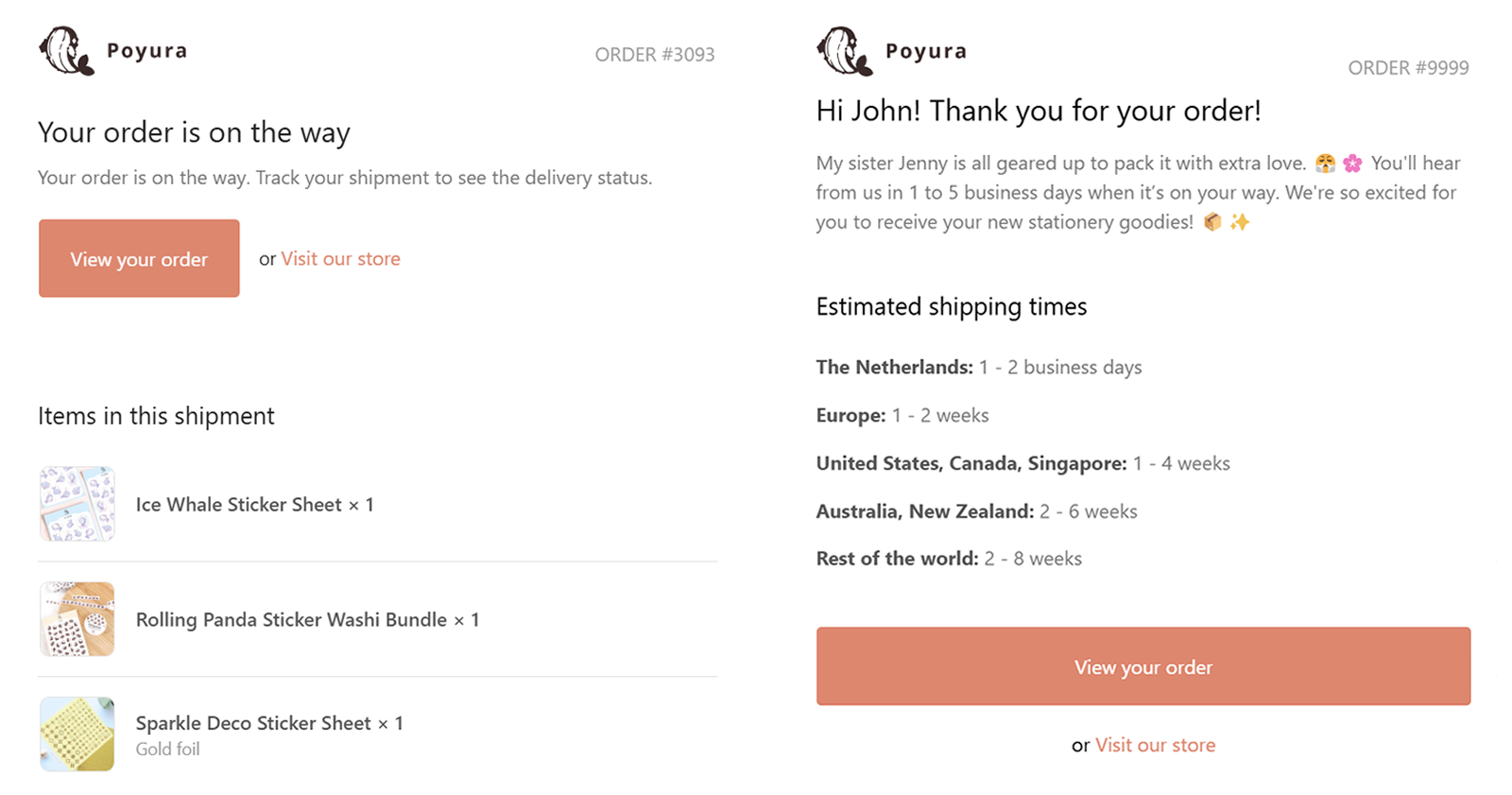
- Clear shipping info: Shipping details were consolidated at checkout and in confirmation emails, clarifying timelines and tracking limitations (Fig. 11 and 12).
-
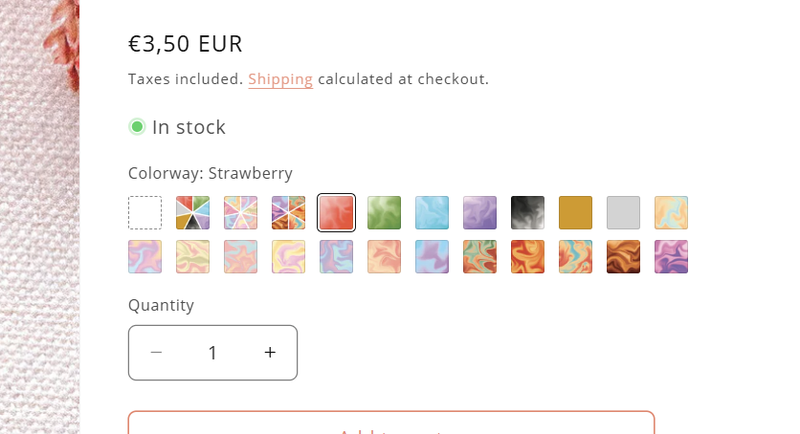
Fig. 10 Deco sticker colorway options -

Fig. 11 From what tracked shipping is (left) to how long shipping takes (right) -
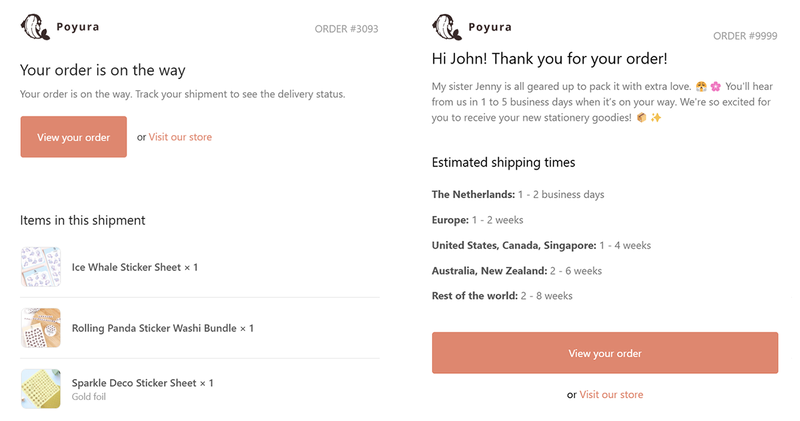
Fig. 12 From a general confirmation (left) to a personal confirmation with the estimated shipping times (right)

4.1.4 Prices & discounts
Problem: During testing, it became clear that customers had difficulty understanding product pricing and discount labels. The previous “Deal” tag and the ‘From €4.50’ price label were ambiguous, confusing.
Solution: The ‘Deal’ tag was replaced with ‘Up to x% off’ for clarity. The price of the first option is now prominently displayed on the home and collection pages, making it immediately clear to customers.

4.2 Online analysis

Legend
GA = Google Analytics
S = Shopify
W = WordPress
Due to changes in EU cookie policy in 2023, Google Analytics data was incomplete, resulting in a conversion rate of 7.7%. This gave a distorted picture, as only visitors who accepted cookies were measured.
Although the conversion rate dropped to 1.7% in 2024, this provides a more accurate picture. Google Analytics can be inaccurate due to cookie-refusing users, while Shopify, which focuses on transactions, provides a more reliable e-commerce overview.
The differences highlight the impact of external factors, such as stricter privacy legislation, and the importance of careful interpretation of analysis methods.
4.3 Reflection
The project highlighted that UX improvements are only one part of overall success and underscored the value of user feedback and collaboration across disciplines. In future iterations, the focus would be on the highest-impact UX changes and using tools more efficiently. Overall, the project reinforced that UX design is most effective when considered within a broader business context and offered valuable insights for further optimization.
4.4 References
Gotter, A. (2022). How to use social proof in Marketing. Shopify.
https://www.shopify.com/blog/social-proof
Lord, C. (2024). Multi-currency Ecommerce: Benefits and How to Use (2024). Shopify.
https://www.shopify.com/enterprise/blog/multi-currency
World Health Organization: WHO. (2023). Disability.
https://www.who.int/news-room/fact-sheets/detail/disability-and-health